The Gold Coast has plenty going for it: golden beaches, lively bars and a coastline that looks even better from the water. But head further offshore, beyond the familiar reefs, and you’ll discover a different side of the region. Think deep blue water, powerful fish and the kind of strike that makes everyone on the boat forget about their morning coffee.
If you’re keen to experience offshore fishing, the species you encounter depend on the season, water temperature, sea conditions and where the fish are feeding. A good day can bring reef favourites, fast-moving pelagic fish or a surprise that turns your fishing story into pub conversation for weeks.
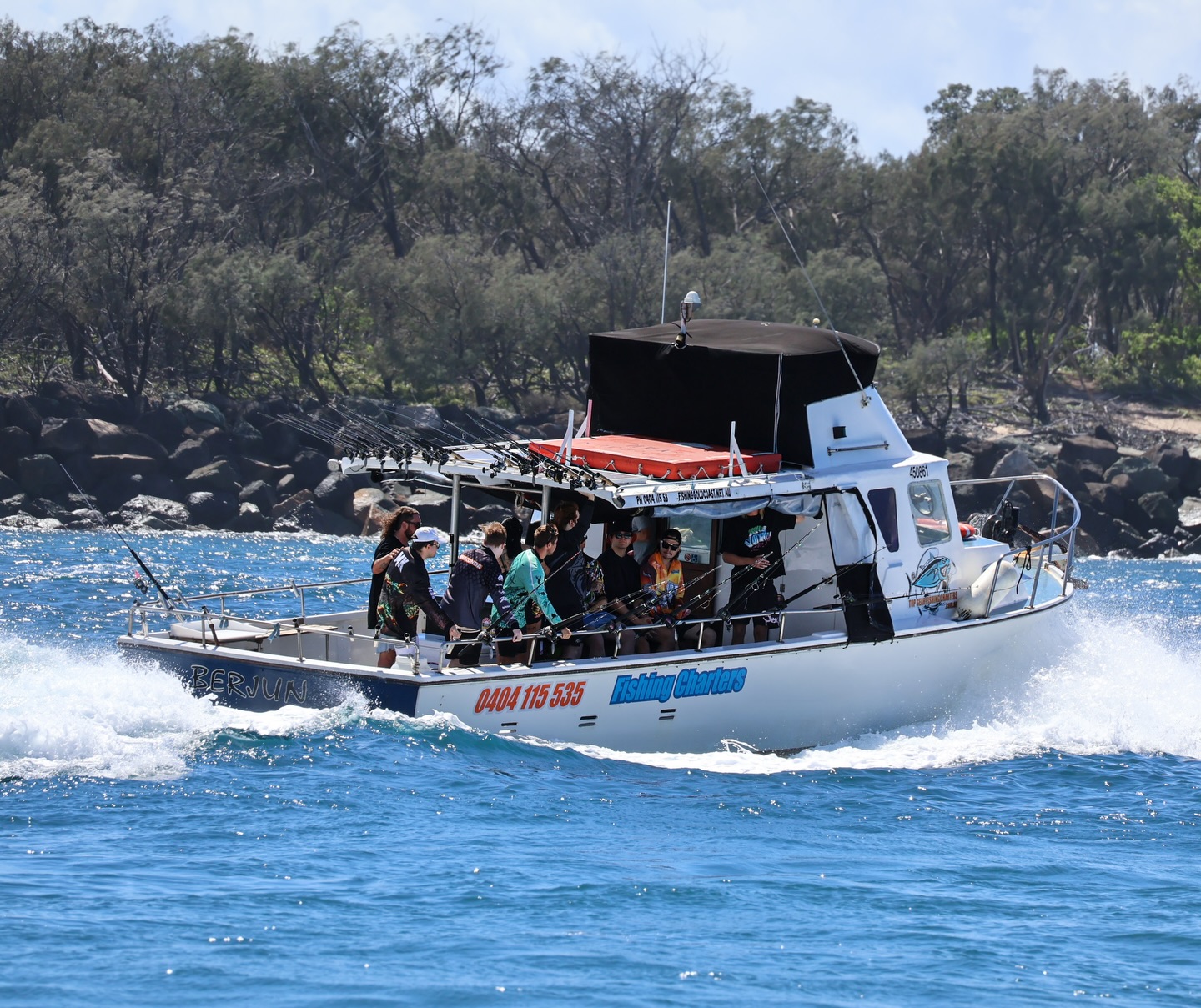
For anyone planning an offshore adventure, a Deep Sea Fishing Charter offers a practical way to explore productive fishing grounds with an experienced crew, suitable gear and local knowledge. Whether you’re a first-timer or already know your way around a fishing reel, understanding what lives beyond the reefs helps you make more of your time on the water.
1. Beyond the reefs: A whole new fishing experience
Reef fishing offers plenty of excitement, but offshore fishing opens up a bigger playground. As your boat moves into deeper water, the seabed changes, currents shift and different fish start to dominate the action. Some species patrol rocky structures, while others cruise open water in search of baitfish.
I always think the real appeal lies in the unpredictability. You might spend one session targeting reef fish before switching tactics when pelagic species start feeding nearby. That mix keeps things interesting, especially if you enjoy learning new techniques rather than dropping a line in the same spot every time.
2. What fish can you catch offshore on the Gold Coast?
One of the best things about fishing off the Gold Coast is that you never know exactly what might take the bait. You could spend the morning working around a reef for snapper, then find yourself chasing a much faster fish out in open water. It all comes down to where you fish, what the conditions are doing and which species happen to be feeding that day.
If you’re planning your first offshore trip, here are five fish worth knowing about before you head out.
Snapper: A favourite for good reason
Ask a few local anglers about their favourite fish to catch and snapper will probably come up in the conversation. They’re a popular target around reefs and rocky areas, and they put up a decent fight when you hook one.
You don’t always need fancy gear to get started, either. Bait rigs and soft plastics can both work, depending on the conditions and where the fish are holding. The tricky part is recognising a bite and knowing when to strike. Pull too early and you might miss your chance; wait too long and the fish could take the bait without giving you much to work with.
Snapper also make a popular table fish, although you’ll need to check the current size and possession limits before keeping your catch.
Yellowtail kingfish: Not one to take lightly
Some fish give you a gentle tug on the line. Kingfish have a different idea.
Yellowtail kingfish are strong, fast and capable of putting your tackle under serious pressure. They often hang around reefs and underwater structures, where they hunt smaller fish. Hook one near a reef and you’ll quickly understand why anglers enjoy the challenge.
Live bait, jigs and trolled lures can all come into play. The right approach depends on where the fish are feeding and what your skipper sees on the day. If you’re new to fishing, listen closely to the crew when a kingfish takes the bait. Keeping your cool is part of the challenge.
Mahi mahi: A colourful surprise offshore
Mahi mahi are hard to miss once you see their bright colours. Also known as dolphin fish, they bring plenty of energy to a fishing trip and often attract attention when they appear alongside the boat.
These fish tend to roam open water and may gather around floating debris, weed lines and other places where smaller fish congregate. That gives anglers a few clues about where to look, although finding them still takes the right conditions and a bit of luck.
Trolling lures is one way to target mahi mahi. They’re more likely to interest anglers when warmer water and feeding activity create suitable conditions offshore. If one turns up during your trip, have your camera ready, but keep your attention on the crew’s instructions first.
Tuna: When the line starts running
Tuna fishing can get exciting in a hurry. One moment, the water looks quiet; the next, baitfish scatter across the surface and seabirds start diving into the action. Those signs can give your skipper a reason to investigate.
Different tuna species visit offshore waters around the region, with opportunities varying throughout the year. Yellowfin tuna are one possible target, alongside other species depending on local conditions.
Anglers often troll lures or cast towards feeding schools. Once a tuna takes the bait, expect a test of patience and stamina rather than an easy win. These fish can make powerful runs, so steady pressure and good technique matter far more than simply winding the reel as fast as possible.
Wahoo and mackerel: Fast, fierce and exciting
If you enjoy fishing that keeps you on your toes, wahoo and mackerel are worth talking about. These predators move quickly, hunt other fish and can strike hard when the opportunity comes along.
Trolling is a common way to target them offshore. Your skipper may adjust the route, lure selection or speed according to the conditions and signs of feeding activity. Water temperature and currents can also influence where these fish turn up.
Their sharp teeth call for suitable tackle and careful handling, so follow the crew’s advice if you hook one. And don’t be disappointed if you don’t land every fish you encounter. That’s part of offshore fishing. Sometimes the one that gets away becomes the story everyone remembers on the trip home.
A quick tip: Before heading out, ask your skipper which species have been showing up recently. Recent local knowledge is much more useful than assuming a particular fish will be waiting just because it’s the right month.
3. What Can You Catch on a Deep Sea Fishing Charter Around Deeper Reefs?
Not every offshore catch needs to chase a lure across the surface. Deep-water reefs and rocky structures can hold a different mix of fish, giving bottom-fishing enthusiasts plenty to look forward to on a Deep Sea Fishing Charter.
Depending on the grounds you visit, you may encounter species such as pearl perch, teraglin, various snapper species and other reef-associated fish. Each has its own habitat preferences, feeding habits and best approaches.
The skipper’s local knowledge becomes particularly valuable here. Rather than guessing where fish might sit, the crew can use their understanding of offshore grounds, conditions and fishing techniques to plan a suitable session.
4. Seasonal fishing: When should you head offshore?
The Gold Coast offers fishing opportunities throughout the year, but the species you encounter can change with water temperature, currents and baitfish movements.
Here’s a broad guide to help you plan:
| Fishing target | What influences your chances |
| Snapper | Reef conditions, seasonal patterns and feeding activity |
| Yellowtail kingfish | Current, baitfish concentrations and suitable structure |
| Mahi mahi | Warmer water, floating objects and offshore weed lines |
| Tuna | Baitfish schools, current and surface feeding activity |
| Wahoo | Water temperature, current and productive trolling grounds |
| Pearl perch | Suitable deeper reef habitat and bottom conditions |
Treat this table as a planning guide, not a promise of seasonal catches. Offshore conditions can change quickly, and fish don’t follow a calendar just because we do.
For the most useful advice, ask your skipper which species have shown recent activity and which techniques suit the expected conditions.
5. Fishing regulations: Know the rules before you keep your catch
Responsible fishing matters just as much as finding the fish. Before heading offshore on a Deep Sea Fishing Charter, I recommend checking the current Queensland rules for size limits, possession limits, protected species and seasonal closures.
The Queensland Government provides an up-to-date recreational fishing size and possession limits guide to help anglers understand which fish they can legally keep. Check the rules for your intended species and location, as restrictions can differ and change over time.
Your skipper can also help you understand how the relevant rules apply during the trip. If a fish falls outside the legal limits or you need to release it for another reason, handle it carefully and return it to the water promptly.
Good fishing isn’t just about what comes back to the boat ramp. It’s also about protecting the fish populations that make future trips worthwhile.
6. What Makes a Deep Sea Fishing Charter Worthwhile?
You can spend plenty of time researching rods, reels and fishing spots online. However, offshore conditions introduce challenges that become easier to manage with an experienced crew on a Deep Sea Fishing Charter.
A guided trip can help you with:
- Local knowledge: Learn which offshore grounds suit the day’s conditions.
- Equipment: Use fishing tackle suited to the target species and techniques.
- Technique: Get practical guidance on bait presentation, lure selection and fighting fish.
- Time on the water: Spend more time fishing and less time trying to work out where to start.
- Confidence: Ask questions, practise your technique and learn from each session.
You don’t need years of experience to enjoy offshore fishing. A willingness to listen, learn and have a go will take you a long way.
Before booking, check what’s included in your trip, what gear the operator supplies, what you need to bring and whether the planned outing suits your experience level.
7. How to Prepare for Your Deep Sea Fishing Charter
A little preparation can make a big difference once you leave the marina. A Deep Sea Fishing Charter can involve early starts, changing weather and hours in the sun, so comfort matters.
I recommend packing:
- Sunscreen, sunglasses and a broad-brimmed hat.
- Comfortable clothing suited to the forecast.
- Non-slip footwear appropriate for the boat.
- Drinking water and any personal snacks you need.
- Seasickness medication, if required, taken according to its instructions.
- A phone or camera in a secure, water-resistant case.
Get a good night’s sleep before your trip and follow the crew’s instructions around safety equipment and movement on deck.
Most importantly, keep your expectations flexible. Some days bring several species; others demand patience. You can still learn plenty, enjoy the coastline and improve your technique even when the fish don’t cooperate.
Conclusion
A Deep Sea Fishing Charter gives you the chance to explore a side of the Gold Coast that many visitors never experience. From snapper around reef structures to fast-running tuna, colourful mahi mahi and powerful kingfish, offshore waters offer a diverse range of fishing opportunities.
The best approach is to choose a trip that suits your experience, listen to local advice and stay open to whatever the conditions bring. You might land your target species, discover a new favourite technique or simply enjoy a memorable day out on the water.
Ready to swap the shoreline for the open ocean? Visit our Book Your Guided Fishing Trip Today page to enquire about your next offshore adventure and start planning a day of fishing on the Gold Coast.
Frequently Asked Questions
1. What fish can you catch on a Deep Sea Fishing Charter on the Gold Coast?
Depending on the season, location and conditions, you may encounter snapper, yellowtail kingfish, mahi mahi, tuna, wahoo, mackerel, pearl perch and other reef species. Your skipper can recommend likely targets for your chosen trip.
2. How far offshore do deep sea fishing charters travel?
The distance depends on the trip length, sea conditions, target species and productive fishing grounds. Some trips are reef based offshore while others go further to explore deeper water. Check with your operator about the intended route before you book.
3. Is it necessary to know how to fish to go on an offshore charter?
No. Many guided trips are perfect for beginners and seasoned anglers alike.The crew can explain the basics, assist you with handling the equipment and go through different fishing techniques with you.
4. What is the best time of year to deep sea fish on the Gold Coast?
“There is no one best time for all species. Water temperature, currents, baitfish movements and seasonal restrictions all influence fishing opportunities.Before you choose your date, ask your skipper about good target species and recent catches.
5. What should I bring on a deep sea fishing charter?
Take sun protection, comfortable clothes, suitable footwear and drinking water. Check whether your operator supplies rods, reels, bait and other tackle, and ask about food, seasickness and any additional items you should pack.