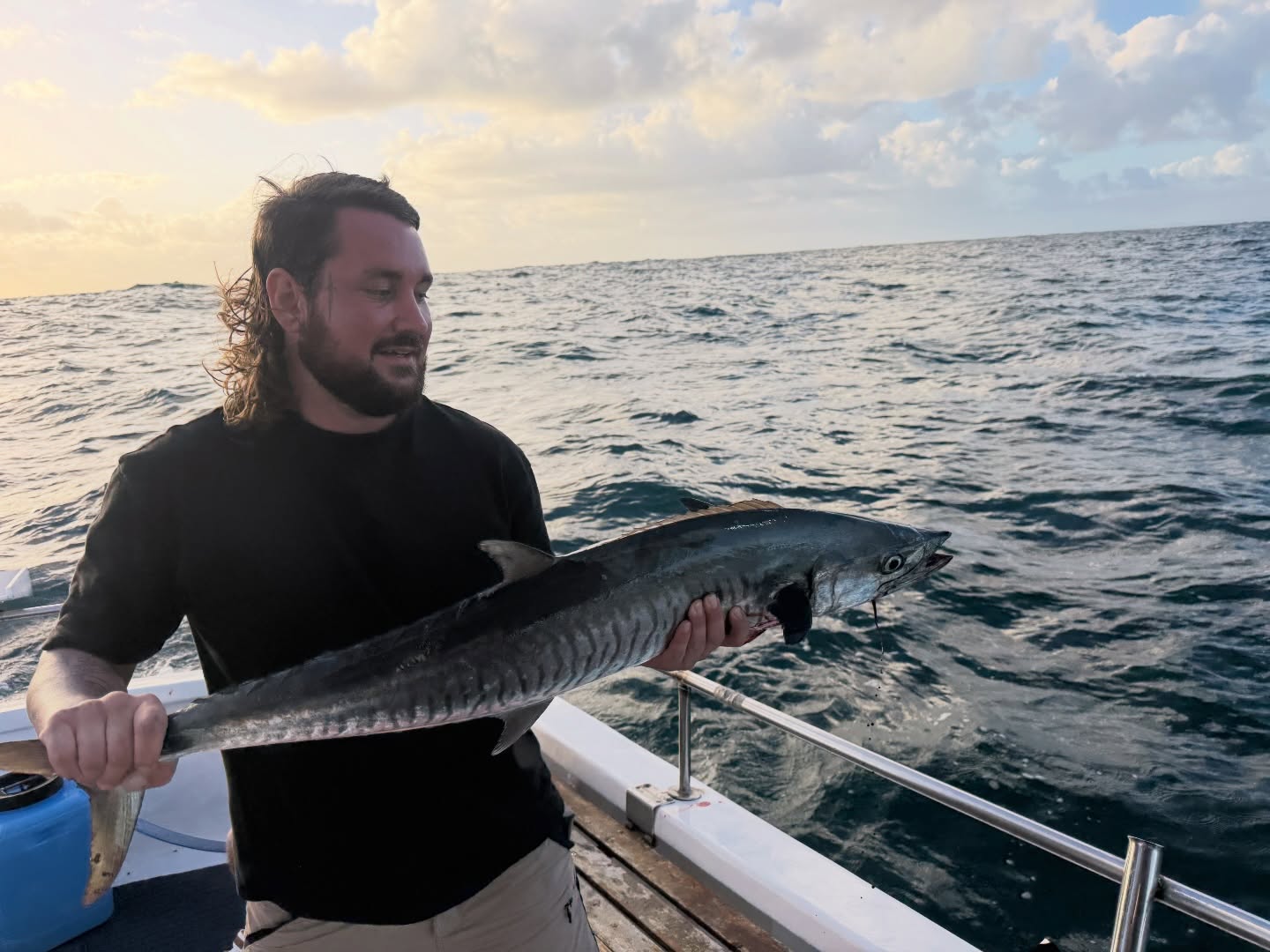
The Gold Coast looks spectacular from the shore, but the real adventure starts when you head offshore. With salty air, rolling swells and the chance of landing an impressive catch, a fishing trip can become the highlight of your weekend.
However, I believe a successful day on the water starts before you leave the marina. Pack the right essentials, prepare for changing conditions and give yourself the best chance of enjoying every moment.
When planning your next Deep Sea Fishing Gold Coast adventure, think beyond your fishing rod. Your clothing, food, sun protection and personal comfort can make a huge difference once the coastline starts shrinking behind you.
1. Wear the Right Clothing for Offshore Conditions
The weather on the Gold Coast can feel warm and inviting on land, but offshore conditions often tell a different story. Wind, sea spray and cooler morning temperatures can leave you uncomfortable if you dress for the beach rather than the boat.
For a comfortable Deep Sea Fishing Gold Coast trip, I recommend wearing lightweight clothing that dries quickly and allows you to move freely.
Here’s what I’d pack:
- Lightweight fishing shirt: Choose a breathable, long-sleeved shirt to help protect your skin from the sun.
- Shorts or quick-dry trousers: Pick comfortable clothing that handles splashes without staying wet all day.
- Light waterproof jacket: Wind and sea spray can make the ride cooler than expected.
- Non-slip footwear: Wear shoes with good grip that suit the boat’s deck. Avoid footwear that becomes slippery when wet.
- A spare change of clothes: Keep a dry outfit in a waterproof bag for the trip home.
2. Bring Serious Sun Protection
Australian sunshine can be unforgiving, especially when sunlight reflects off the water. Even on a cloudy morning, extended exposure can leave your skin red and sore before you realise what’s happening.
I treat sun protection as essential fishing gear, not an optional extra.
Pack a broad-brimmed hat or secure fishing cap, polarised sunglasses and broad-spectrum, water-resistant SPF 50+ sunscreen. Apply sunscreen before boarding and reapply according to the product instructions, particularly after sweating or getting wet.
Polarised sunglasses also reduce glare from the water, helping you see more comfortably throughout the day. Choose a pair with a secure strap so a sudden gust doesn’t turn your favourite accessory into an expensive ocean offering.
A lightweight neck gaiter can provide extra coverage, while a long-sleeved shirt helps protect areas that sunscreen alone might miss.
For a Deep Sea Fishing Gold Coast trip, remember that you’re likely to spend hours in open conditions with limited shade. Pack sun protection where you can reach it easily rather than burying everything at the bottom of your bag.
3. Check Weather Conditions and Fishing Safety
A good fishing plan starts with a realistic understanding of the conditions. Offshore weather can change, and a calm-looking marina doesn’t guarantee a smooth ride once you leave sheltered waters.
Before your Deep Sea Fishing Gold Coast trip, check the marine forecast, wind speed, swell and any relevant warnings. Follow the skipper’s advice about whether conditions suit the planned trip, and accept changes or cancellations when safety requires them.
Queensland’s official boating safety guidance explains why suitable safety equipment, lifejackets and regular weather checks matter. I recommend reviewing the guidance before any offshore outing, especially if you’re new to boating.
If you’re joining a guided charter, ask the operator what safety equipment they supply and what passengers need to bring. The skipper manages the vessel and its required safety equipment, but you should still listen carefully to the safety briefing and know where the crew keeps essential gear.
Keep your phone charged, follow instructions and tell the crew if you feel unwell. A little preparation helps you enjoy the trip without unnecessary surprises.
4. Pack Food and Plenty of Drinking Water
Fishing takes patience, concentration and energy. You might spend long periods waiting for a bite, then suddenly need to react quickly when a fish takes your bait. Going hungry or getting dehydrated won’t improve your chances.
For a Deep Sea Fishing Gold Coast outing, I suggest bringing enough drinking water for the full trip, with extra available for warm weather. Don’t rely on thirst alone to remind you to drink.
Choose easy-to-eat snacks that travel well, such as:
- Fresh fruit, including apples and bananas.
- Muesli bars or crackers.
- Sandwiches or wraps in a sealed container.
- Nuts or other suitable snacks that won’t melt in the heat.
Avoid packing foods that spoil quickly unless you can keep them properly chilled. A small insulated bag can help, provided the crew allows it and you have room to store it safely.
Skip heavy meals before departure if you know you tend to feel queasy on boats. Greasy food and excessive alcohol won’t help, and alcohol can impair your judgement and increase safety risks. Stick to water and sensible food choices.
5. Bring Seasickness Essentials
You can be perfectly comfortable in a car and still feel queasy on a boat. Offshore movement affects people differently, and even experienced travellers can experience seasickness.
I recommend planning ahead rather than waiting until the horizon starts looking suspiciously interesting.
Consider packing motion-sickness remedies that suit you, following the product instructions and checking with a pharmacist if you’re unsure which option is appropriate. Some medicines cause drowsiness, so check the warnings before taking them.
You can also try these practical measures:
- Get enough sleep the night before.
- Eat a light meal before boarding.
- Spend time looking towards the horizon when you start feeling unsettled.
- Stay in a well-ventilated area if the crew says it’s safe and practical.
- Avoid reading your phone for long periods if that makes you feel worse.
Tell the crew early if you begin feeling unwell. They may suggest a suitable spot on the vessel or other practical steps.
For anyone planning their first Deep Sea Fishing Gold Coast experience, seasickness preparation can make the difference between enjoying the action and counting the minutes until you’re back on land.
6. Know What Fishing Gear You Need
One of the biggest packing mistakes beginners make is assuming they need to buy an entire collection of fishing equipment before their first charter.
In reality, your gear requirements depend on the target species, fishing technique, charter arrangements and conditions. Some operators supply rods, reels, tackle and bait, while others have different inclusions.
Before spending money, ask the operator what comes with your booking.
If you need to bring personal equipment, consider this checklist:
| Item | Why it matters |
| Rod and reel | Must suit the planned offshore fishing technique |
| Fishing line and tackle | Match the target species and setup |
| Hooks and sinkers | Useful when the operator asks you to supply your own |
| Bait or lures | Check which options the crew recommends |
| Fishing pliers | Help with tackle handling when appropriate |
| Small tackle organiser | Keeps personal equipment tidy |
| Gloves, if suitable | Can help with grip and handling certain gear |
For a Deep Sea Fishing Gold Coast trip, avoid guessing which rod, line strength or lure will work best. Ask the skipper for recommendations because the right setup depends on where you’ll fish and what you’re hoping to catch.
If the charter supplies equipment, take advantage of that arrangement and focus on learning the techniques. You can always build your own collection after you’ve discovered which style of fishing you enjoy most.
7. Carry a Waterproof Bag for Your Essentials
A regular backpack might work perfectly well on land, but offshore spray can quickly soak the things you want to keep dry.
I recommend bringing a compact waterproof or water-resistant bag for your phone, wallet, keys, spare clothes and any personal medication. A fully waterproof pouch offers extra protection for valuables, although you should still follow its closure instructions carefully.
Keep only what you need for the day. Expensive jewellery, unnecessary electronics and bulky bags create extra clutter and give you more things to worry about.
A small power bank may help if you use your phone for photos, but secure it and keep it dry. Don’t rely on your mobile phone as your only emergency communication device offshore.
For a Deep Sea Fishing Gold Coast trip, simple organisation makes life easier. Store essentials in separate compartments so you can find your sunscreen, phone or snacks without unpacking your entire bag on a moving boat.
What Should You Leave at Home?
Packing smart also means knowing what not to bring. Too much equipment can crowd the deck, complicate storage and make it harder to move safely around other anglers.
Unless your operator requests them, leave these items behind:
- Bulky luggage or oversized backpacks.
- Fragile electronics that you don’t need.
- Unnecessary fishing gear when the charter supplies equipment.
- Glass containers that could break.
- Alcohol if the operator prohibits it or it could compromise safety.
- Items that aren’t suitable for wet, salty conditions.
Always check the charter’s specific rules before departure. Some boats have limited storage, and the crew may have clear requirements about personal equipment, food and drinks.
Conclusion
A memorable fishing trip isn’t just about the size of the fish you catch. It’s also about feeling comfortable, staying safe, learning something new and enjoying the open water with your mates or family.
With the right clothing, sun protection, food, hydration and personal essentials, you’ll be better prepared for your Deep Sea Fishing Gold Coast adventure. Check the forecast, confirm what your charter supplies and follow the skipper’s advice throughout the day.
Ready to swap the shoreline for a proper offshore adventure? Get your essentials sorted, bring your sense of adventure and Book Your Guided Fishing Trip Today to start planning your next day on the water.
Frequently Asked Questions
1. What should I bring on a deep sea fishing Gold Coast trip?
Bring comfortable clothing, a waterproof jacket, non-slip footwear, sunscreen, polarised sunglasses, a hat, drinking water, snacks and a waterproof bag. Check with your charter operator before bringing fishing equipment because many guided trips supply rods, reels and tackle.
2. Do fishing charters on the Gold Coast provide fishing rods and bait?
Many guided charters provide fishing rods, reels, tackle and bait, but inclusions vary between operators and packages. Confirm what’s included when booking so you don’t buy equipment you won’t need.
3. What should I wear for offshore fishing in Queensland?
Wear lightweight, breathable clothing, preferably with long sleeves for sun protection. Add a waterproof jacket for wind and sea spray, along with secure footwear that offers good grip on a wet deck.
4. How can I prevent seasickness while deep sea fishing?
Get enough sleep, eat a light meal, stay hydrated and consider a suitable motion-sickness remedy before departure. Follow the medicine’s instructions and check with a pharmacist if you have concerns. Let the crew know if you start feeling unwell.
5. Is deep sea fishing on the Gold Coast suitable for beginners?
Yes, many guided fishing trips welcome beginners. A charter can provide equipment, instruction and guidance on fishing techniques. Tell the operator about your experience level when booking so they can explain what to expect.
6. What is the best time of year for offshore fishing on the Gold Coast?
Fishing opportunities vary throughout the year depending on target species, water conditions and seasonal patterns. Ask your charter operator which species are likely to be available during your planned trip, and remember that weather and sea conditions determine whether it’s safe to head offshore.
7. Should I check the weather before a fishing charter?
Absolutely. Check the marine forecast and warnings before departure, then follow the skipper’s updates and decisions. Offshore conditions can change quickly, so always put safety ahead of a planned fishing session.