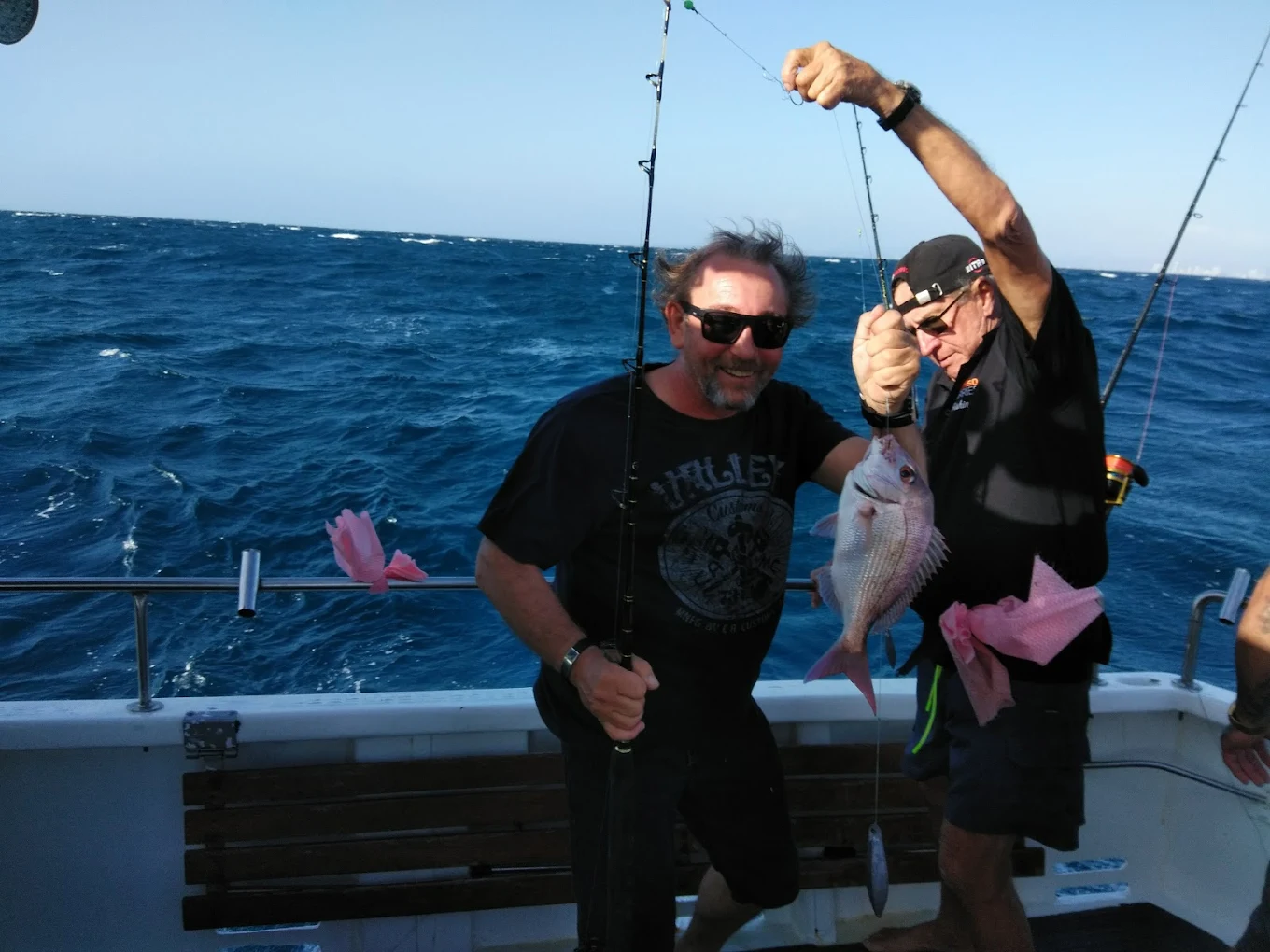
The Gold Coast looks spectacular when the sun hits the water, but offshore fishing can tell a very different story once you leave the shoreline. Wind picks up, swells roll through and the ocean reminds you who’s really in charge.
If you’re planning an Offshore Fishing Charter, understanding the weather can help you prepare properly, enjoy a more comfortable trip and know why your skipper might change the plan at short notice.
An Offshore Fishing Charter takes you beyond the protected waters and into the open ocean, where conditions can change quickly. Whether you’re chasing snapper, mahi mahi or other offshore species, you can explore our Offshore Fishing Charter options and get ready for a proper day on the water.
Why Weather Matters When Fishing Offshore
Offshore fishing offers access to deeper water and a wider range of fish species, but it also exposes you to conditions that sheltered waterways often avoid. Wind, swell, currents and visibility can all affect how the boat travels, where your skipper fishes and how easily you can handle your gear.
I always recommend checking the forecast before any offshore adventure, rather than relying on the sunshine you see from the beach. A clear sky doesn’t guarantee a calm ocean, and a cloudy morning doesn’t automatically mean poor fishing.
Weather also influences fish behaviour. Changes in water temperature, current movement, baitfish activity and light levels can affect where predatory fish feed. However, no single weather pattern guarantees a successful catch. Your skipper needs to weigh up the conditions, target species and local knowledge before choosing a fishing spot.
7 Weather and Sea Conditions That Can Affect Your Trip
1. Wind Speed and Direction
Wind is one of the first things to consider before heading offshore. Strong winds can create choppy water, push spray across the deck and make casting or handling fishing gear more difficult.
The direction matters, too. Depending on the coastline, offshore reefs and your planned route, a particular wind direction may produce more uncomfortable conditions than another. A breeze that feels manageable near the beach can feel considerably stronger when you’re well away from shore.
For an Offshore Fishing Charter, your skipper considers wind speed, direction, forecast changes and the boat’s operating limits before making a decision.
What should you do?
- Check the marine forecast before departure.
- Wear secure, non-slip footwear and weather-appropriate clothing.
- Follow your skipper’s advice about where to sit and how to move around the boat.
- Accept a change of location or departure time if conditions require it.
A little wind doesn’t necessarily ruin the fishing. In some situations, it can help create productive conditions. The important thing is whether the wind remains suitable for safe boating and comfortable fishing.
2. Swell Height and Wave Conditions
Swell refers to waves that travel across the ocean, often after wind generates them some distance away. These waves can continue rolling even when local winds ease.
Wave height tells only part of the story. The time between waves, their direction and the shape of the seabed can also affect how the boat moves. Short, steep waves can feel rougher than longer, more widely spaced swells of a similar height.
When planning an Offshore Fishing Charter, your skipper looks beyond a single wave-height figure. They consider the combined conditions along the route, at the fishing grounds and near the departure point.
Large or confused seas can make it harder to stand steadily, bait hooks, land fish and move safely around the deck. If the swell becomes unsuitable, your skipper may select a more sheltered area, delay departure or cancel the trip.
Remember, a smaller swell doesn’t promise a comfortable ride for everyone. If you’re prone to seasickness, prepare before you leave the marina.
3. Rain, Thunderstorms and Lightning
Rain doesn’t always stop offshore fishing. Light showers may have little impact on a trip, provided the wider marine conditions remain suitable. However, heavy rain can reduce visibility, while thunderstorms can bring lightning, sudden wind changes and dangerous squalls.
The Gold Coast can experience changing weather, particularly during warmer months when storms may develop quickly. That’s why checking only the morning sky isn’t enough.
Your skipper will assess the forecast and monitor changing conditions throughout the trip. If a storm approaches, they may change course, return to shore or postpone departure.
For an Offshore Fishing Charter, safety always comes before a few extra casts. No fish is worth taking unnecessary risks with lightning or rapidly deteriorating weather.
Bring a lightweight waterproof jacket, but don’t treat it as protection against every kind of weather hazard. Your skipper decides whether the conditions allow the trip to continue safely.
4. Official Marine Forecasts and Weather Warnings
Before you leave, check the Bureau of Meteorology’s marine and ocean forecasts, which provide official information about marine conditions and relevant warnings. Pay attention to the forecast area that covers your planned route, not simply the weather for central Gold Coast or the nearest beach.
An Offshore Fishing Charter may travel well beyond the coastline, where conditions differ from those on land. Marine forecasts help you understand expected wind, waves and other conditions, but they don’t replace your skipper’s judgement or real-time observations.
If the forecast includes a warning or conditions exceed the vessel’s operating limits, your skipper may change the plan. Always confirm departure arrangements with the charter operator rather than making your own decision based on a weather app.
5. Tides and Ocean Currents
Tides and currents influence how water moves around reefs, headlands and offshore structures. They can affect baitfish movement, the way your bait drifts and how effectively you present a lure.
On the Gold Coast, tidal movement can also interact with local swell and wind conditions. Strong water movement may make it harder to keep your bait near the bottom, while a change in current can alter where fish gather.
Your skipper uses local knowledge, tide information and conditions at the fishing grounds to choose suitable locations and techniques.
| Condition | Possible effect on fishing | What your skipper may consider |
| Strong tidal flow | Bait and rigs drift faster | Adjusting sinker weight or fishing location |
| Changing current | Fish activity may shift | Moving between spots |
| Light current | Baits may remain easier to control | Testing different depths and presentations |
| Wind against current | Water can become choppy or confused | Assessing comfort and vessel safety |
A particular tide doesn’t guarantee a bite. Fish respond to several environmental factors, so your skipper may try different techniques as conditions change.
6. Water Temperature and Visibility
Water temperature can influence where fish feed and how they move through offshore areas. Seasonal changes, ocean currents and local water movement can all affect temperatures around the Gold Coast.
Visibility matters as well. Rainfall, sediment, plankton and changing water conditions can alter how clearly fish see bait or lures. Some species may respond differently depending on light, depth and water clarity.
An experienced skipper considers these factors alongside the target species and recent fishing conditions. They may change the depth, lure colour, bait presentation or location to suit the day.
Don’t assume clear blue water always produces better fishing, either. Different species favour different habitats, and fish can feed successfully in a range of visibility conditions.
7. Air Pressure and Changing Weather Patterns
You might hear anglers talk about falling barometric pressure before a weather system arrives. Atmospheric pressure can change alongside wind, cloud cover and other conditions that influence the marine environment.
Some anglers notice changes in fish activity before or after a weather front. However, pressure alone doesn’t reliably predict whether you’ll catch fish. Species, location, water temperature, current and bait availability all play a role.
For an Offshore Fishing Charter, the practical approach is to look at the complete weather pattern rather than chase one supposedly perfect pressure reading.
If a forecast suggests deteriorating conditions, the priority shifts towards safety and planning. If conditions remain suitable, your skipper can use local knowledge to decide where to fish and which techniques might work best.
How Different Conditions Can Shape Your Fishing Day
Weather influences more than the boat ride. It can affect how long you travel, which fishing grounds you visit and how much time you spend actively fishing.
| Sea or weather condition | What you might notice | Possible trip adjustment |
| Light winds and manageable swell | A steadier ride | Accessing suitable offshore grounds |
| Strong winds | More spray and boat movement | Choosing another location or postponing |
| Large or steep swell | Uncomfortable, unpredictable movement | Delaying or cancelling the trip |
| Heavy rain or poor visibility | Reduced visibility | Changing course or returning to shore |
| Thunderstorms nearby | Lightning and sudden weather changes | Seeking safety or cancelling |
| Strong currents | Faster bait drift | Adjusting rigs and fishing techniques |
These examples are general guidance, not fixed rules. Your skipper assesses the actual forecast, vessel, route and conditions before deciding what is appropriate.
When Is the Best Time for an Offshore Fishing Charter on the Gold Coast?
There’s no single month or time of day that guarantees ideal conditions. The best opportunity depends on your target species, seasonal patterns, available fishing grounds and the marine forecast.
Early departures can offer useful fishing opportunities and give your skipper more time to work with the day’s conditions. However, an early start doesn’t automatically mean calmer seas. Always check the forecast for the hours you’ll spend travelling and fishing.
Before booking, consider these practical points:
- Season: Different fish species move through the region at different times of year.
- Wind and swell: Look for conditions suitable for your planned route and vessel.
- Trip length: Longer offshore trips may expose you to changing weather over several hours.
- Flexibility: A skipper may change fishing grounds to suit the conditions.
- Local advice: Ask about the target species and what happens if the weather turns unsuitable.
An Offshore Fishing Charter should give you a realistic understanding of the day’s plan, not a promise that the ocean will behave perfectly.
How to Prepare for Changing Offshore Conditions
You can’t control the weather, but you can make the experience more comfortable by packing sensibly and listening to your crew.
Your pre-trip checklist
- Sun protection: Pack sunscreen, sunglasses and a suitable hat.
- Weather protection: Bring a lightweight waterproof jacket and an extra layer.
- Footwear: Choose secure, non-slip shoes suitable for the boat.
- Hydration: Carry water and drink regularly throughout the trip.
- Seasickness preparation: If you tend to feel queasy, speak with a pharmacist or healthcare professional about suitable options before departure.
- Boat safety: Listen to the skipper’s briefing and follow instructions around fishing equipment and moving areas.
- Forecast check: Review the latest marine forecast and confirm your departure with the operator.
If you’re new to offshore fishing, tell the crew. They can explain what to expect, help you prepare your gear and give you practical advice throughout the day.
What Happens If the Weather Turns Bad?
A responsible charter operator won’t push ahead simply because the boat is ready and everyone has arrived. The skipper assesses the forecast, current conditions, vessel limitations and any relevant warnings before deciding whether to depart or continue.
Depending on the circumstances, the crew may change the route, move to a more suitable fishing area, return to shore or cancel the trip. The operator’s booking terms will determine the options available if weather affects your booking, so read those terms before confirming your plans.
Keep your phone available before departure in case the operator needs to contact you. If the forecast looks questionable, contact the crew rather than assuming the trip will proceed as planned.
Flexibility is part of offshore fishing. A change of plan can be disappointing, but a safe decision is always the right decision.
Conclusion
An Offshore Fishing Charter on the Gold Coast can deliver an unforgettable day on the water, but wind, swell, rain, currents and changing weather patterns all influence the experience. Understanding these conditions helps you prepare, set realistic expectations and appreciate why your skipper sometimes needs to adjust the plan.
Check the marine forecast, pack for changing conditions and follow your crew’s advice. Most importantly, remember that good offshore fishing starts with a sensible plan, not a promise of perfect weather or a guaranteed catch.
Ready to plan your next fishing adventure? Get in touch to discuss your trip, ask about suitable conditions and find out what to expect before departure. Book Your Guided Fishing Trip Today and get ready for a memorable day chasing fish off the Gold Coast.
Frequently Asked Questions (FAQs)
1. What weather is best for an offshore fishing trip?
Manageable winds, suitable swell and stable weather generally make for a more comfortable trip. The ideal conditions depend on the vessel, route, target species and fishing grounds, so always follow your skipper’s advice.
2. Do offshore fishing charters run in the rain?
They may run during light rain if the overall conditions remain suitable. Heavy rain, thunderstorms, poor visibility or unsafe sea conditions can lead to a change of plan or cancellation.
3. How windy is too windy for offshore fishing?
There isn’t one universal wind-speed limit for every charter. The safe limit depends on the vessel, wind direction, swell, route and operator’s operating requirements. Your skipper makes the final decision.
4. Does swell affect an offshore fishing charter?
Yes. Swell affects boat movement, passenger comfort and how safely people can move around the deck. Wave height, direction and the time between waves all matter.
5. Can you catch fish when the sea is rough?
Fish may still feed in rough conditions, but that doesn’t mean a trip is safe or comfortable. Your skipper assesses the conditions and chooses whether to proceed, change locations or cancel.
6. How do I avoid seasickness on an offshore fishing charter?
Get enough rest, stay hydrated, eat a light meal if that suits you and avoid excess alcohol before departure. If you are prone to motion sickness, discuss suitable preventative options with a pharmacist or healthcare professional before the trip.
7. What should I bring on an offshore fishing charter?
Pack sunscreen, sunglasses, a hat, non-slip footwear, water and weather-appropriate clothing. Check with the operator about fishing equipment, food, drinks and any other items included in your booking.
8. Will my fishing charter be cancelled because of bad weather?
It may be postponed or cancelled if conditions become unsuitable. The skipper assesses safety, while the operator’s booking terms explain rescheduling and cancellation arrangements. Contact the operator if you’re unsure about the forecast or your departure.